Procrastination
How 360° Kindness turns 'to dos' to 'done'

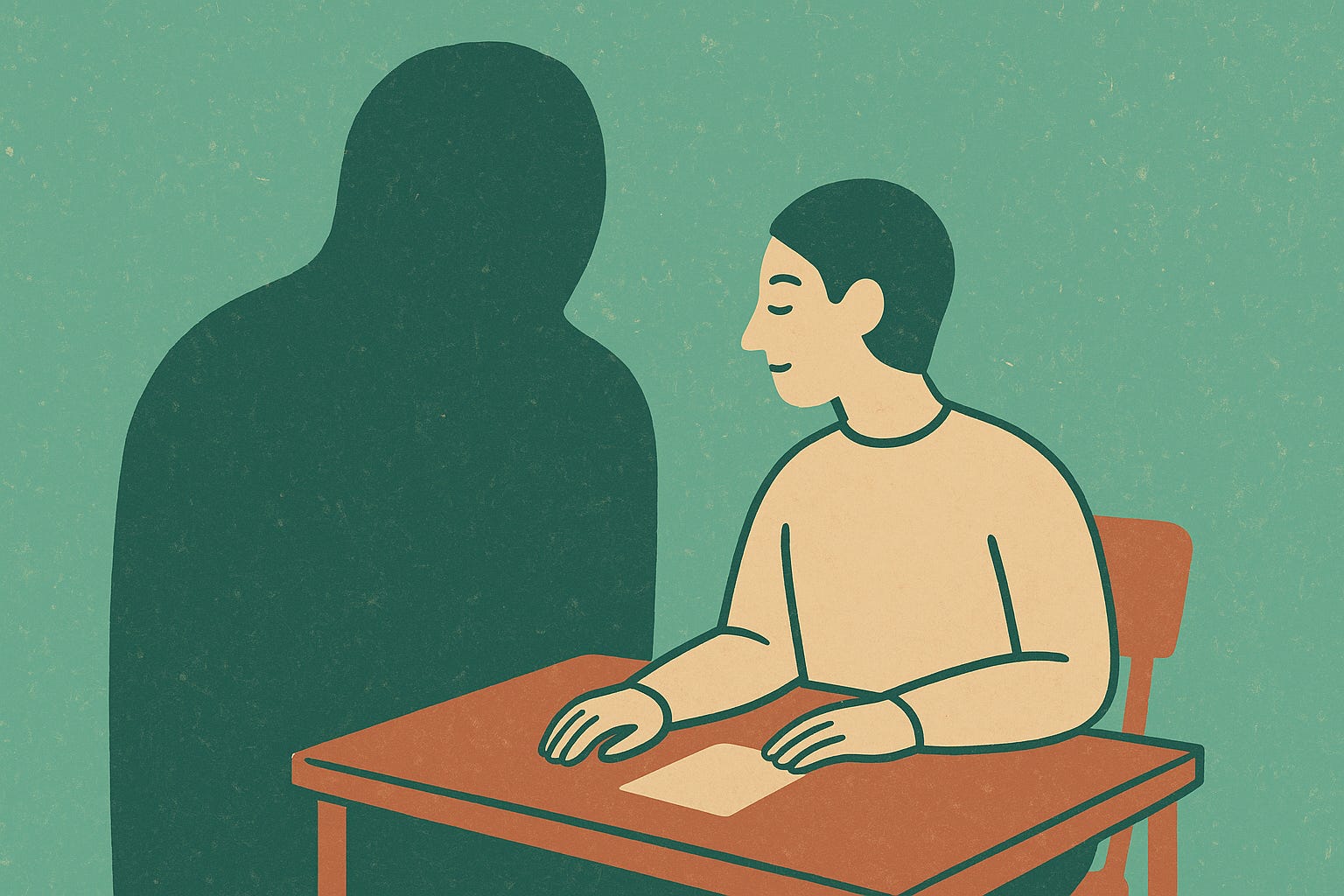
Procrastination is often painted as laziness, lack of willpower, or poor discipline.
But if you consider it objectively, procrastination is not about the task itself.
It’s about how we feel when we think about doing it.
When we consider doing taxes, insurance, or job applications, we can relate because literally every adult HAS to do those things. They are low hanging fruit for the topic of procrastination. They must be done, but almost nobody wants to do them!
But what about hitting the gym, giving back our exes sweater, cleaning the spare room, or replying the invite to that wedding next summer, what’s going on when we put off those things?
As a child, when we didn’t want to go to bed, share a favoured toy, or hang out in the mall, a ‘practical’ strategy was to simply cry. We didn’t understand why we should do these things. We didn’t sign up for them. And, just a few short months prior, when we needed to eat or we pooped our diaper, crying seemed to get that sorted for us. It was a perfectly useful strategy.
Slightly later, someone started telling us we were big boys and girls now, and crying would no longer work when we wanted (or more importantly, didn’t want) something. “Easy for you to say” I thought. “I really don’t want to be in this f*&^ing mall” (I was a particularly precocious child).
So here we are; some of us are particularly precocious adults.
There’s the thing, just do it, right? Nope. For many of us, our inner child is going to cry until there is literally no other choice.
From a 360° Kindness perspective, we view each situation as simply conveying information. We notice the feeling, breathe, and bring our awareness front and centre.
If you can’t be kinder to someone else than you can to yourself, for now, ask: “what would I say to someone else struggling this way?”
Because kindness begins with you, beating yourself into action with pressure, shame, or self-criticism is not going to produce sustainable results.
It may get you moving in the short term, but it erodes the relationship. And far more importantly, it feels terrible.
Procrastination, through the 360° Kindness lens, is an invitation to ask:
What am I protecting myself from? (Failure? Judgment? Overwhelm? Perfection?) Would the answer matter anyway?
What do I need in order to feel safe enough to begin?
Where am I already depleted, and how can I reboot before I act?
The shift here is subtle but profound:
You stop trying to bully yourself into action and start creating the conditions where action feels possible.
This might look like breaking the task into smaller steps, asking for help, or allowing yourself to centre before you start.
Here’s how we use the brain.
Your brain’s primary job is to keep you safe.
If you are not doing something you know you should be doing, it’s almost always because the action feels unsafe or undoable in some way.
Kindness doesn’t argue with that.
It asks: What do I need?
Not, How do I avoid this?
If this doesn’t affect you as a day to day issue, you could be of huge service to someone you love. A partner, a child, a co-worker. People struggling with procrastination feel about as bad as a person can feel. No one wakes up and thinks, “I wonder what I can ignore today”?
If this post can help you understand the triggers or circumstances, you can be patient. That makes you kinder and gives the person struggling a far better chance to sort it out than it will if you add more pressure. Ask how they might think of a way to do the thing that suits them better.
Kindness doesn’t let you off the hook, it removes the hook entirely.
It replaces the whip with curiosity.
And it understands that procrastination isn’t a sign of weakness, but a sign that something in your internal environment needs attention before you can move forward.
When you work with yourself instead of against yourself, the task gets done on your own terms.
And you don’t have to abandon your well-being to do it.
I like how you reframe procrastination here as information. That move toward curiosity and kindness feels both important and powerful. The questions you suggest (“What am I protecting myself from?” “What do I need to feel safe enough to begin?”) get at something deeper than just “try harder.” This makes me think about how often our so-called resistance is really our nervous system asking for care before it can move forward.